Private Pilot License (PPL) Training at Multifly is the first step in EASA pilot training and allows you to fly single-engine aircraft as pilot-in-command for non-commercial purposes. At Multifly, we deliver PPL training under EASA regulations in a structured and efficient environment. In addition, our airport-based operations, in-house aircraft fleet, and continuous flight availability support consistent training progress. Students can complete the program as a standalone license. Alternatively, they can use it as the first phase of a modular pathway toward CPL and ATPL.
What Is Private Pilot License (PPL) Training?
The Private Pilot License enables you to:
Fly single-engine aircraft under VFR (Visual Flight Rules)
Carry passengers for non-commercial purposes
Act as Pilot-in-Command
Build a solid foundation for advanced ratings and professional training
Therefore, PPL training focuses on fundamental airmanship, flight safety, navigation, and decision-making skills.
Private Pilot License (PPL) Training Structure
The PPL training program combines theoretical knowledge instruction with practical flight training. Moreover, Multifly conducts the program in accordance with EASA Part-FCL requirements.
Flight Training
Minimum 45 flight hours (as per EASA regulations)
Dual instruction and supervised solo flights
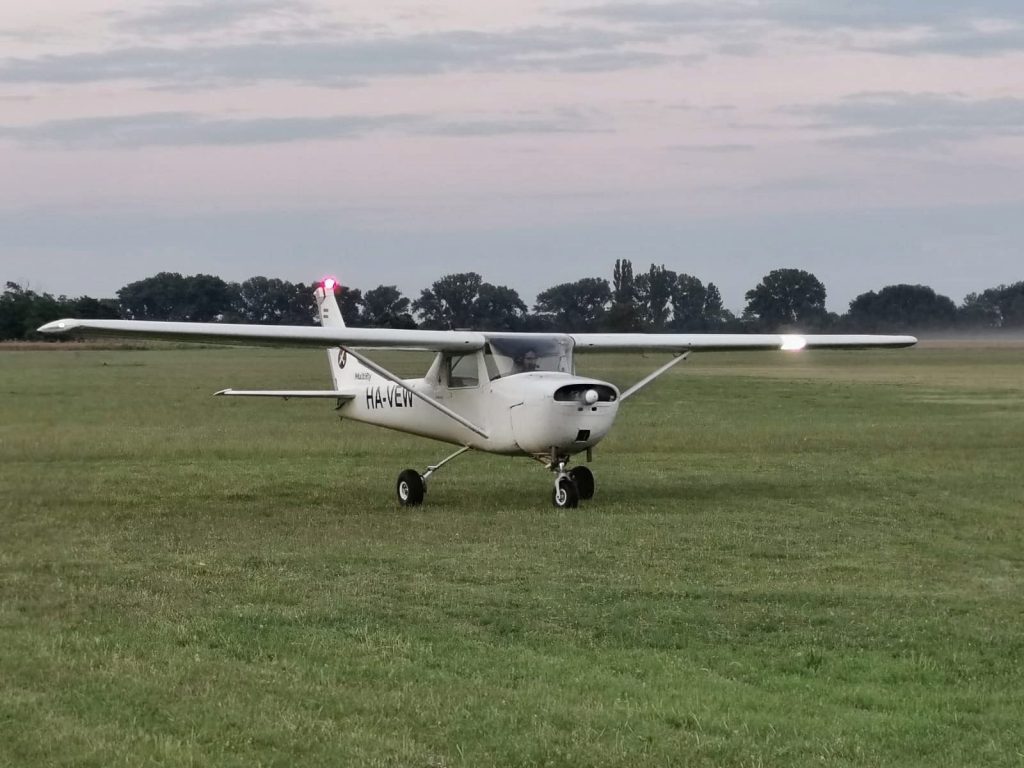
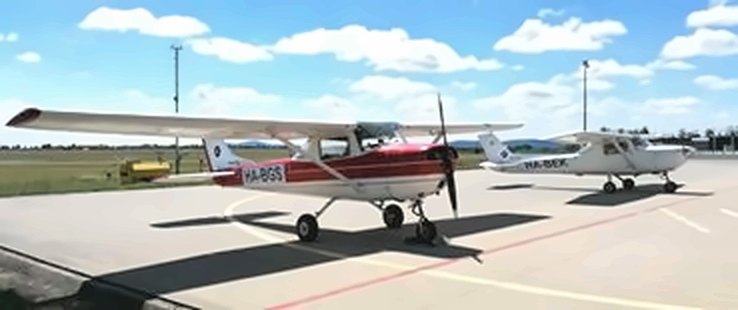
Training conducted on single-engine aircraft from the academy fleet
Theoretical Knowledge
Air Law
Aircraft General Knowledge
Flight Performance & Planning
Human Performance
Meteorology
Navigation
Operational Procedures
Principles of Flight
Communications
Students can complete theoretical training through classroom instruction, distance learning, or a blended format. Therefore, the training format can adapt to the individual training schedule.
PPL Training Duration
The average training duration is 3–6 months. However, the exact duration depends on student availability, training frequency, and weather conditions. In addition, Hungary offers approximately 300 flyable days per year, which helps students progress consistently.
Minimum Entry Requirements
First, applicants must meet the following minimum requirements to enroll in the PPL(A) Training Program:
Minimum Age Requirement
16 years to start training
(License issue at 17 years, as per EASA)
Medical Certificate
EASA Class 2 Medical Certificate
English proficiency
Sufficient level of English for flight training
(ICAO English Language Proficiency may be required later for advanced training)
Previous flight experience
Not required
What is Included
The PPL training program includes all core elements required to complete the license under EASA regulations.
These include:
Flight training up to the required minimum hours
Theoretical knowledge instruction
Use of academy aircraft and facilities
Instructor supervision and training support
Airport-based training environment
In addition, our admissions team explains all detailed inclusions and optional items transparently before training begins.
Training Environment
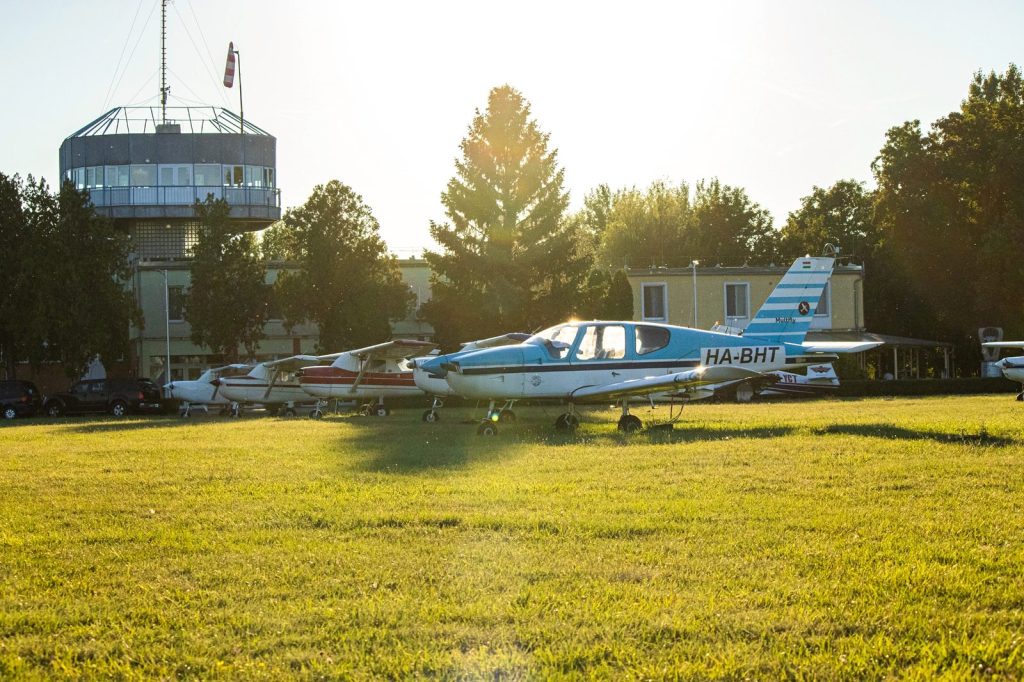
Airport-based operations allow students to train directly at the airport.
In addition, our In-house fleet and maintenance capabilities support reliable aircraft availability.
Finally, structured scheduling helps students use their training time efficiently.
PPL as Part of a Modular Career Path
For students planning a professional pilot career, PPL training serves as the first building block toward: