

Zero to ATPL Modular frozen
Modular Zero to ATPL frozen course is designed to train the student pilot from first start day up to the ATPL frozen in order to obtain the PPL/CPL/IR/MEP/MEP-IR with ATPL theory credit.
The modular training course is a course from zero hour experience through to obtaining a frozen EASA ATPL (fATPL) including English Language Proficiency (ICAO)
Pre-Entry Requirements
- Be at least 17 years old,
- Fluent in English,
- Holder of a valid EASA Medical Certificate class 1.
Course Duration
The minimum duration of the ATPL Modular course is 8 months and the maximum is 22 months. In Multifly Flight Training Academy the average time required to complete the ATPL course is 9 – 12 months, including Training and Exams.
| Name of Training | Approximate Duration | Equipment |
|---|---|---|
| PPL (A) | 45 hours | C150/C152 |
| Night Rating | 5 hours | C150/C152 |
| Time Building | 1 hours Dual + 100 hours PIC | C150/C152 |
| CPL (A) | 15 hours | C150/C152 |
| MEP Class Rating | 6 hours | C310 |
| SEP IR (A) | 50 hours (35 hours SIM) | C150/C152/TB-9/FNPT-II |
| MEP IR Upgrade | 5 hours | C310 |
| ATPL (A) Theoretical Course | 600 hours self-study / 60 hours classroom | EASA approved Online Learning Platform for Multifly |
| Zero to ATPL | 227 hours (35 hrs Sim) | C150/152/172/TB-9/C310/FNPT-II |
| Total Price: | 41000 EUR |
Approximately 40-45 Days
PPL Training
The EASA PPL(A) course consists of
45 hours of flight instruction, comprising:
35 hours dual instruction
10 hours supervised solo flight time, including
5 hours of solo cross-country – flight time with at least 1 cross-country flight of at least 270km (150nm),
with full stop landings at 2 aerodromes different from the aerodrome of departure
EASA PPL(A) Skill Test The Skill Test is in addition to the course syllabus hours
2 Days
NVFR Rating
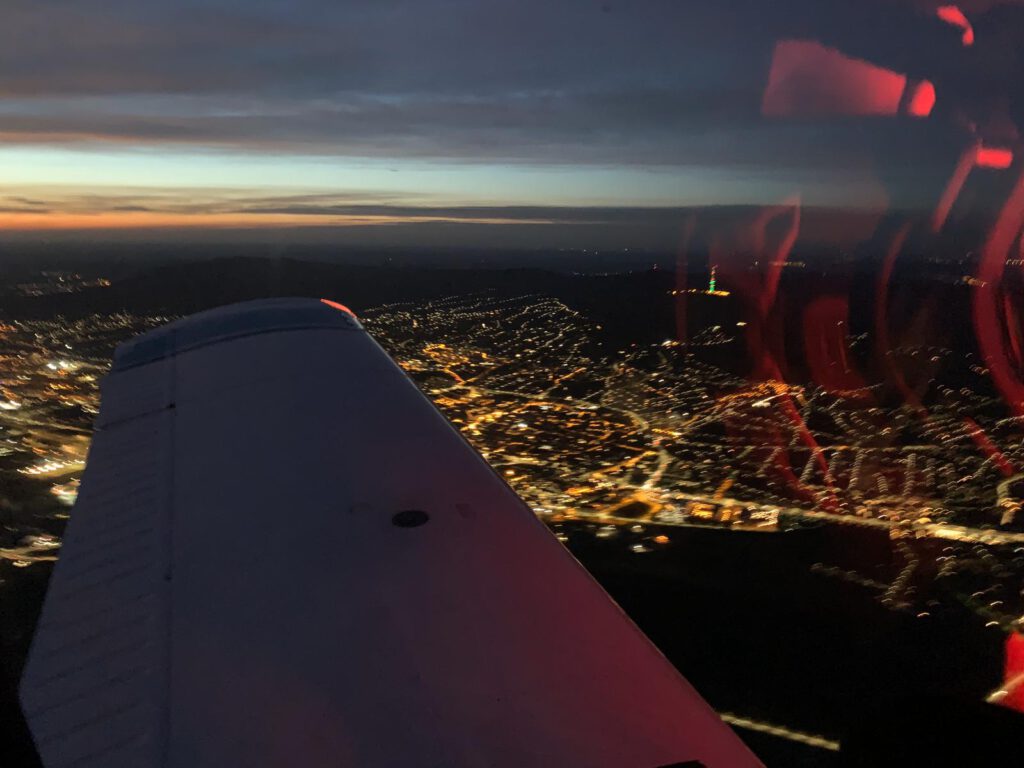
Students are enrolling this course should receive a briefing on night flying prepared by the supervising flight instructor.
4 hours 30 minutes dual instruction
30 minutes supervised solo flight time
Can be 2-3 Hour/Day
PIC Flights
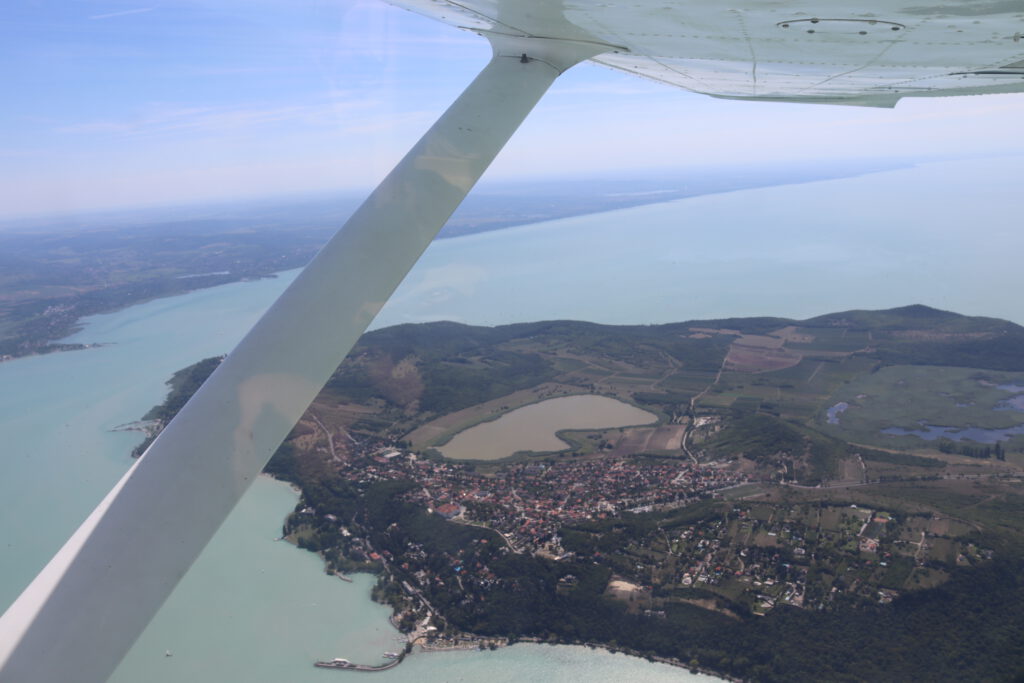
Student needs to have 200 real flight hours before applying for CPL license. Based on the other training flying hours, student needs to fly 100 hours of PIC flight.
1 hour flight will be dual and 100 hours will be solo with a safety pilot.
Depends on the Student Performance 6-18 Months There are 14 Subjects, 1- Human Performance & Limitations 2- Air Law & ATC Procedures 3- Operational Procedures 4- VFR Communications 5- IFR Communications 6- Meteorology 7- Principles of Flight 8- Flight Planning 9- General Navigation 10- Mass & Balance 11- Aircraft General Knowledge 12- Instrumentation 13- Radio Navigation 14- Performance Students have right to enter 6 times to ATPL exams at CAA. A student can fail only 4 times from one subject. Student has to finish the exams in 18 months.
Airline Transport Pilot
Students will have EASA Approved e-learning platform of Multifly to practice online part of their training.
600 Hours Self-Study
60 Hours of classroom training.
Students will have right to enter exam of the subjects that they completed their training on front of CAA.
Approximately 30-40 Days In case student is enrolling MultiFly ATO ATPL(A) Theoretical Course the training could be started if the following subjects are completed front of the CAA: Air Law – Operational Procedures – Aircraft General Knowledge – Instrument – Flight Planning and Performance – Human Performance – Meteorology – Radio Navigation – IFR Communication By the end of the SEP IR(A) Training Course in order to complete the CAA Practical examination the student shall complete all ATPL(A) theoretical subjects front of CAA.
SE Instrument Rating
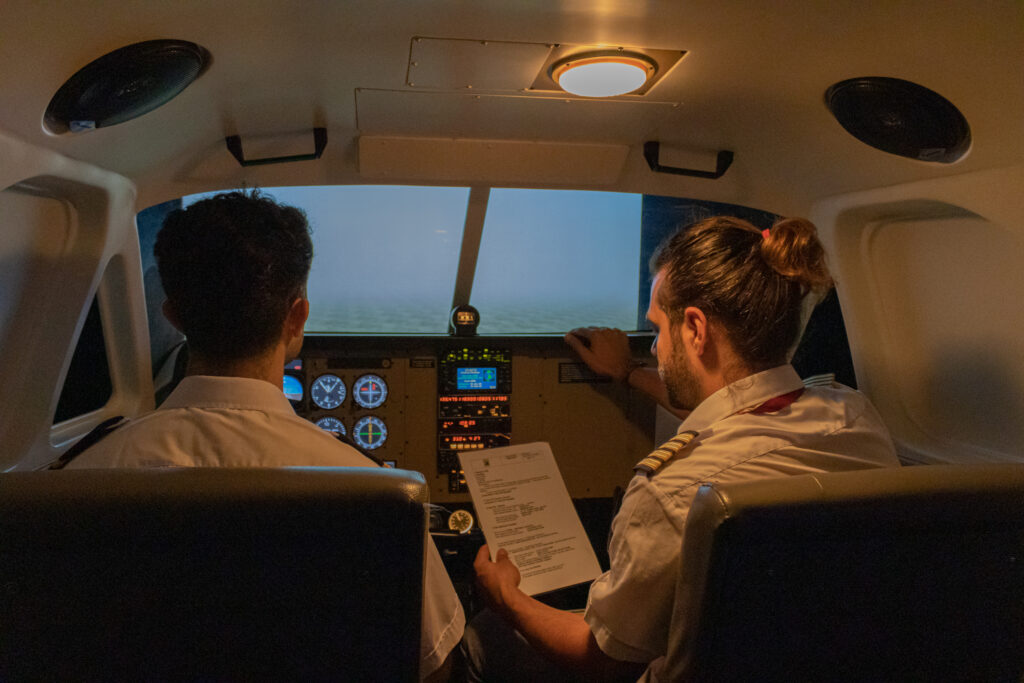
During the Single-Engine Instrument Rating training course students fly 50 hours of dual flight instruction. There is no solo exercise prescribed.
35 Hours on FNPT-II Simulator.
15 Hours on IR Certified Aircraft.
There is no separate ground training for students applying for the Single-Engine Instrument course. Although, applicants should complete and hold valid EASA ATPL(A) Theoretical Certificate.
10-15 Days
Multi Engine Piston
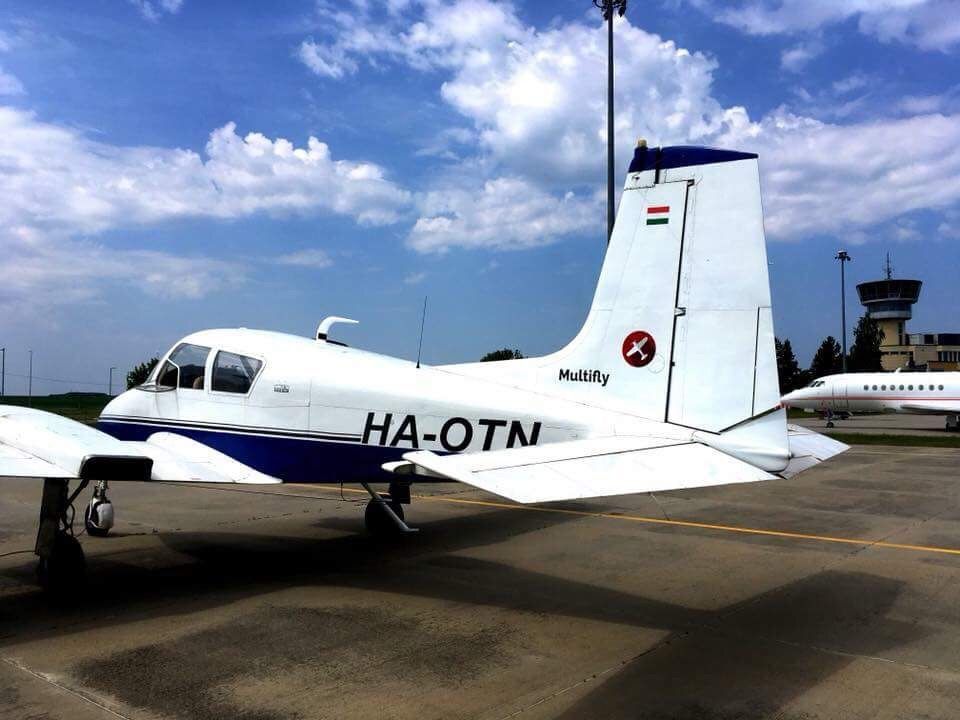
6 hours of flight training in a MEP class of aircraft which includes 2 hours 30 minutes of dual instruction under normal conditions, and 3 hours 30 minutes of dual instruction in engine failure procedures and asymmetric flight techniques
1 hour Licence Skill Test (LST) in a MEP class of aircraft
The theoretical course consists of 7 hours of TKI in multi engine aeroplanes.
The TKI course consists of the following:
I. Two 3 hour lectures; and
II. A single 1 hour lecture
Theoretical knowledge will be checked by practical application during the flight training and verbal questioning from the instructor on procedures and rules pertinent to operating a MEP class of aircraft.
Trainees for a MEP Class Rating shall sit a multiple choice written examination on completion of the course. The examination pass mark is 75%. Candidates who are exempt flight training are still required to pass the theoretical examination to add a MEP Class Rating to an EASA Licence. Once all TKI is complete the instructor will recommend the trainee to sit the TKE paper.
10-15 Days<br>Multi Engine Instrument Rating Conversion course is to train holders of a pilot licence issued in accordance with Part-FCL.605 IR to exercise the privileges of their licence under IFR with a multi-engine piston class aeroplane.
Multi-Engine Instrument Rating
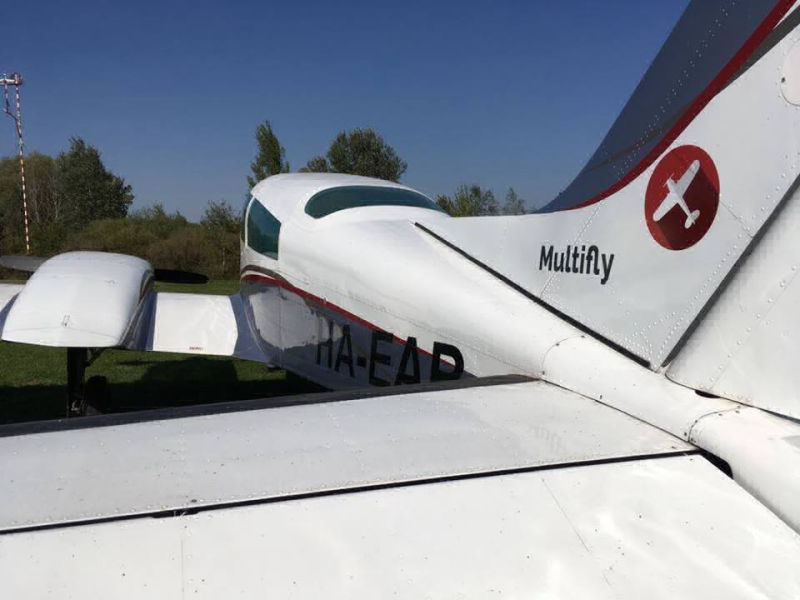
The flying training shall comprise a total of at least 5 hours of dual flight instruction and 10 hours of ground briefing. During this training there is no such part to be completed as solo flight(s).
The theoretical knowledge instruction includes long briefings, and directed private study.
This course consists of 10 hours of briefings with no specific theoretical training.
10-15 Days
Commercial Pilot Training
The flying training shall comprise a total of at least 15 hours of dual flight instruction and 16 hours of ground briefing. During this training there is no such part to be completed as solo flight(s).
MultiFly does not offer separate theoretical knowledge course towards the obtainment of CPL(A). It is subject of enrolment to possess either CPL(A) TKE certificate or ATPL(A) TKE certificate referred in 8.2.4.
During the course there are long briefings, and directed private study. During the training the applicant should be familiar.